
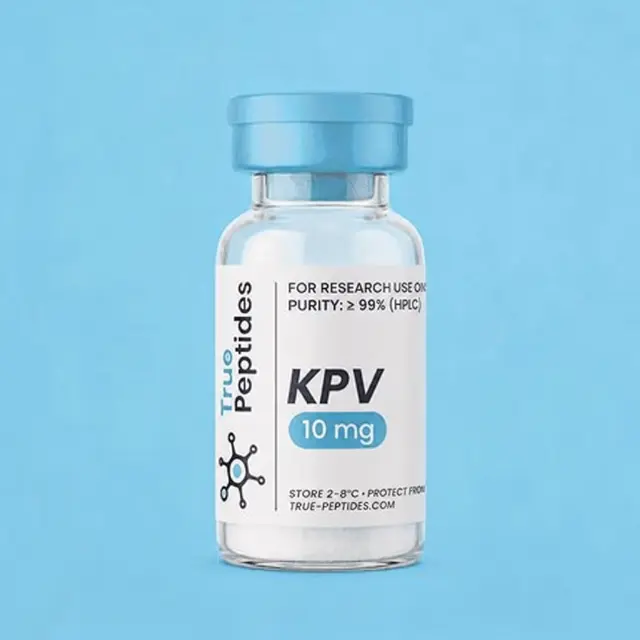
KPV
$50.00
KPV is a small synthetic peptide derived from the C-terminal sequence of α-MSH and is primarily of interest in inflammation, immune signaling, skin, gastrointestinal, and peptide research. Preliminary research has generated interest in its biological activity, but much more human research is needed to determine its potential clinical applications
KPV Peptide: Product Description, Research Uses, Benefits and Safety
KPV peptide is a short synthetic peptide that has attracted scientific interest because of its relationship to alpha-melanocyte-stimulating hormone (α-MSH) and research into inflammatory and immune-related pathways. KPV is composed of three amino acids—lysine, proline, and valine—and is commonly discussed in peptide research involving inflammation, intestinal health, skin biology, and cellular signaling.
Although KPV is widely marketed online as a research peptide, it is important to distinguish experimental findings from established medical treatments. Research into KPV remains ongoing, and its potential applications require further investigation.
What Is KPV?
KPV is a tripeptide derived from the C-terminal portion of α-MSH. Unlike the complete α-MSH molecule, KPV contains only three amino acids: Lys-Pro-Val.
Scientists have investigated KPV because α-MSH and related peptide fragments are associated with biological processes involving inflammation and immune regulation. Research suggests that KPV may interact with pathways involved in inflammatory signaling without necessarily producing all of the biological effects associated with the complete α-MSH molecule.
This makes KPV an interesting compound for laboratory research into peptide-based approaches to inflammatory and cellular processes.
How Does KPV Work?
The exact mechanisms through which KPV produces its observed experimental effects are still being investigated. Research has explored interactions between KPV and inflammatory signaling pathways, particularly pathways involved in the regulation of cytokines and other mediators of inflammation.
KPV has also been investigated in models involving intestinal and epithelial tissues. These studies have contributed to interest in its possible role in understanding how small peptides may influence local inflammatory responses.
However, findings from laboratory and animal research cannot automatically be interpreted as evidence that KPV is an effective treatment for inflammatory diseases in humans.
KPV Research and Potential Applications
KPV research has focused on several areas of biology. These include:
- Inflammatory signaling
- Immune-system regulation
- Intestinal and gastrointestinal research
- Skin and epithelial biology
- Cellular stress responses
- Peptide pharmacology
Researchers are particularly interested in whether KPV can influence inflammatory pathways in specific tissues. Its small molecular structure also makes it useful for studying how short peptide sequences can participate in biological signaling.
These areas represent research applications, rather than established medical indications.
Potential KPV Benefits
Online sources frequently describe KPV as an anti-inflammatory peptide and associate it with potential benefits for skin health, digestive health, and general recovery. Some preclinical studies have produced findings that explain why researchers continue to investigate these possibilities.
However, evidence from cell cultures or animal models does not establish that KPV provides the same benefits in humans. There is currently insufficient clinical evidence to describe KPV as a proven treatment for inflammatory conditions, gastrointestinal disorders, skin problems, or other diseases.
Consumers should therefore be cautious about websites that present experimental findings as guaranteed health outcomes.
KPV for Skin and Gut Research
Two particularly interesting areas of KPV research involve skin and intestinal tissues. Both tissues rely on carefully regulated immune and inflammatory processes, making them relevant to studies of peptide signaling.
Experimental research has examined whether KPV may influence inflammatory responses in models of epithelial tissue. These findings have helped generate interest in potential applications involving the skin barrier and gastrointestinal environment.
Further controlled human research is needed before conclusions can be made about clinical effectiveness.
KPV Product Quality and Purity
When evaluating a KPV research product, product quality is an important consideration. Research peptides should have clear identification and, where available, appropriate analytical documentation describing characteristics such as purity and molecular identity.
Products obtained from unverified suppliers may have uncertain composition, concentration, sterility, or storage history. A certificate of analysis can provide useful information, but documentation alone does not establish that a product is safe for human use or approved as a medicine.
Proper handling and storage are also important for maintaining the quality of peptide research materials.
Is KPV FDA Approved?
KPV is not an FDA-approved medication for treating inflammation, gastrointestinal conditions, skin disorders, or other medical conditions. Products marketed online as KPV research peptides should not be represented as approved pharmaceutical treatments.
Regulatory requirements vary by country, so researchers and consumers should check the rules applicable to their location before purchasing or handling experimental peptide products.
KPV Safety Considerations
The human safety profile of KPV has not been established to the same standard required for approved medicines. Long-term effects, appropriate clinical applications, potential interactions, and other safety considerations require additional research.
Claims that KPV is completely safe, side-effect-free, or suitable for everyone are not supported by sufficient clinical evidence. Anyone considering an experimental peptide for a medical purpose should consult a qualified healthcare professional.
KPV Peptide
KPV is a small synthetic peptide derived from the C-terminal sequence of α-MSH and is primarily of interest in inflammation, immune signaling, skin, gastrointestinal, and peptide research. Preliminary research has generated interest in its biological activity, but much more human research is needed to determine its potential clinical applications.
Be the first to review “KPV”
Related products


Peptide Catalog
Peptide Catalog
Peptide Catalog


Reviews
There are no reviews yet.