
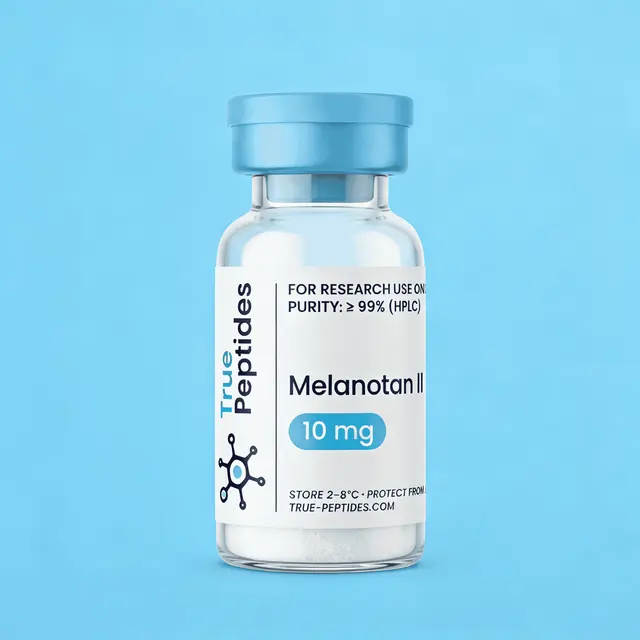
Melanotan II
$36.00
Melanotan II is an experimental melanocortin-related peptide best known for its association with increased skin pigmentation and tanning. Although its biological effects have generated scientific and commercial interest, important uncertainties remain regarding its long-term safety, effectiveness, product quality, and appropriate use.
Anyone considering Melanotan II should discuss the potential risks with a qualified healthcare professional. For protecting skin from UV damage, established measures such as sunscreen, protective clothing, shade, and avoiding excessive UV exposure remain important.
Melanotan II: Uses, Benefits, Side Effects, and Safety
Melanotan II (MT-2) is a synthetic peptide related to naturally occurring melanocortins. It has attracted attention online because of claims surrounding tanning, skin pigmentation, appetite, and sexual function. However, Melanotan II is not an approved tanning medicine, and products sold online can carry significant safety and quality concerns.
Understanding what Melanotan II is, what research has found, and what remains uncertain is important before considering this experimental compound.
What Is Melanotan II?
Melanotan II is a synthetic analogue of alpha-melanocyte-stimulating hormone (α-MSH), a naturally occurring hormone involved in several biological processes, including pigmentation.
Melanotan II was originally investigated for its ability to stimulate melanin production. Melanin is the pigment responsible for much of the color in human skin, hair, and eyes. Increased melanin production can result in darker skin pigmentation.
Unlike conventional tanning products, Melanotan II is designed to act through melanocortin receptors rather than relying exclusively on ultraviolet (UV) exposure to produce pigmentation.
It is important to note that Melanotan II is different from afamelanotide, a related melanocortin receptor agonist that has specific approved medical uses in some countries. The two compounds should not be treated as interchangeable.
How Does Melanotan II Work?
Melanotan II interacts with melanocortin receptors in the body. Activation of certain receptors can stimulate melanogenesis, the biological process through which melanocytes produce melanin.
Because melanocortin receptors are involved in multiple physiological pathways, Melanotan II may produce effects beyond skin pigmentation. Research and reports have also associated melanocortin activity with changes in appetite and sexual function.
However, the existence of a biological mechanism does not establish that Melanotan II is a safe or effective treatment for these purposes.
Melanotan II and Tanning
Melanotan II is primarily known online for its potential to increase skin pigmentation. This has led to its promotion as a tanning peptide.
A darker skin tone produced by increased melanin should not be interpreted as complete protection from UV radiation. Tanning and sun exposure can still contribute to skin damage and increase the risk of skin cancer.
Melanotan II should therefore not be considered a replacement for sunscreen, protective clothing, shade, or other established methods of reducing UV exposure.
Potential Melanotan II Benefits
Online sources commonly associate Melanotan II with several potential benefits, including increased pigmentation and tanning. Experimental research has also examined melanocortin compounds in relation to other biological effects.
Nevertheless, many claims surrounding Melanotan II come from anecdotal experiences, preliminary research, or marketing material rather than robust clinical trials. There is not enough evidence to establish Melanotan II as a safe general-purpose treatment or cosmetic product.
Consumers should be particularly cautious about claims promising predictable results without side effects.
Melanotan II Side Effects
Reported effects associated with Melanotan II include nausea, flushing, headache, dizziness, and changes in appetite. Changes in moles or freckles have also raised concerns, although the relationship between Melanotan II use and long-term skin cancer risk remains uncertain.
Because melanocortin receptors occur throughout the body, unintended effects are possible. The long-term safety profile of Melanotan II has not been adequately established.
Products purchased from unregulated online sources introduce additional risks because their identity, purity, concentration, and sterility may be uncertain.
Is Melanotan II Legal and Approved?
Melanotan II is not an approved tanning drug. Regulatory status can vary between countries, but products marketed online as Melanotan II should not automatically be assumed to have been evaluated for safety, quality, or effectiveness by a national medicines regulator.
Consumers should check the current regulations in their country and be cautious about products marketed as “research chemicals” or “research peptides.”
Melanotan II vs. Approved Tanning Treatments
It is useful to distinguish Melanotan II from approved medicines that affect pigmentation through melanocortin pathways. Some related compounds have undergone formal clinical development for specific medical conditions.
Melanotan II, however, should not be assumed to have the same safety profile, manufacturing standards, or approved indications as these regulated medicines.
Be the first to review “Melanotan II”
Related products
Peptide Catalog
Peptide Catalog
Peptide Catalog
Reviews
There are no reviews yet.